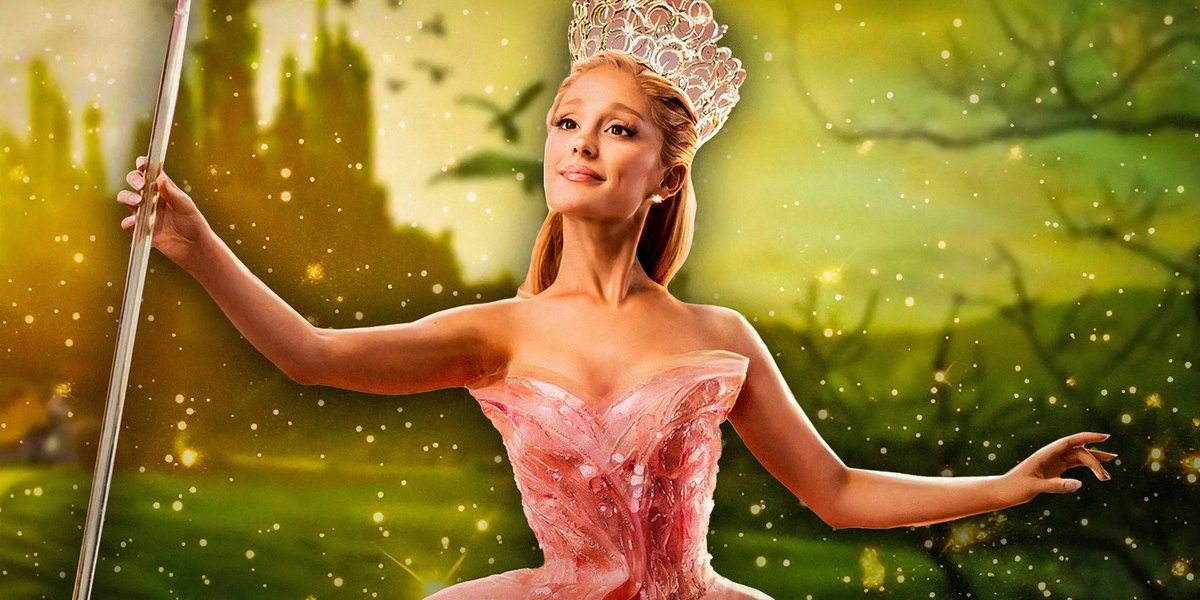
The curtains may have drawn on the Broadway stage for countless performances, but for Wicked: The Untold Story of the Witches of Oz, the story is truly just beginning on an entirely new canvas. The making of the Wicked film adaptation is far more than a simple translation; it’s a meticulous reimagining, a careful expansion, and a daring act of cinematic magic designed to redefine what a stage-to-screen musical can be. After two decades of record-breaking success, the beloved tale of Elphaba and Glinda is now sweeping audiences into the Emerald City like never before, proving that some stories are just too grand to be contained by a single medium.
At a Glance: Key Takeaways from the Wicked Film Journey
- Epic Scope, Two Films: The decision to split Wicked into two cinematic parts (released November 2024 and November 2025) was driven by a desire to avoid cutting any beloved musical numbers, deepen character relationships, and fully leverage cinematic visual storytelling.
- A Re-adaptation, Not Just a Copy: While faithful to the musical's heart, the film is considered a re-adaptation, taking advantage of film's unique capabilities for close-up emotions, expanded sequences, and a broader view of Oz.
- Visionary Leadership: Directed by Jon M. Chu with a screenplay by Winnie Holzman and Dana Fox, the adaptation brings together seasoned stage and screen talents.
- Star-Studded Cast: Cynthia Erivo (Elphaba) and Ariana Grande (Glinda) lead a cast including Jonathan Bailey (Fiyero) and Jeff Goldblum (The Wizard), with special cameos from Broadway legends Idina Menzel and Kristin Chenoweth.
- Expanded Musicality: Stephen Schwartz, the original composer, penned two new songs for the film, further enriching the iconic score.
- Critical Acclaim Already: Wicked: Part One garnered significant buzz, including an Academy Award nomination for Best Picture among its 10 Oscar nods, signaling its early impact.
The Emerald City's Enduring Legacy: Why Wicked Demanded a Film
Before we dive into the nuts and bolts of the film's creation, it's essential to understand the towering legacy it inherits. Wicked: The Untold Story of the Witches of Oz isn't just a successful musical; it's a cultural phenomenon. Since its Broadway premiere in October 2003, with original stars Idina Menzel as Elphaba and Kristin Chenoweth as Galinda, the show has redefined what a "hit" truly means.
Inspired by Gregory Maguire’s 1995 novel – itself a clever twist on L. Frank Baum’s The Wonderful Wizard of Oz – the musical cleverly delves into the backstory of Oz, focusing on the unlikely, complex friendship between Elphaba, the green-skinned outcast, and Galinda, the popular blonde. Its themes of prejudice, power, friendship, and finding your voice resonated deeply, earning it three Tony Awards, seven Drama Desk Awards, and a Grammy for its original cast album.
Beyond the accolades, Wicked's box office performance is legendary. It surpassed $1 billion in Broadway revenue by 2016 and, by 2017, became the second-highest-grossing musical of all time, trailing only The Lion King. In late 2024, it made history as the first Broadway production to earn over $5 million in a single week. This isn't just success; it's an unwavering, global love affair. Audiences weren't just watching a show; they were connecting with a story that felt both fantastical and incredibly human. This immense, deeply personal connection is precisely why a film adaptation wasn't just desired but, arguably, inevitable.
From Stage Magic to Cinematic Spectacle: The Core Challenge
Adapting a beloved stage musical for the big screen is a delicate dance. You're not just filming a play; you're translating an experience. The magic of live theater lies in its immediacy, its shared breath between performers and audience, the deliberate artifice of its sets. Film, on the other hand, offers intimacy through close-ups, sweeping scale through visual effects, and boundless creative freedom in setting. The core challenge for the Wicked film adaptation was to retain the heart and theatricality that made the musical so iconic, while embracing the unique power of cinema.
Universal Pictures producer Marc Platt, who had been instrumental in bringing the musical to the stage, recognized this from the outset. He, along with Stephen Schwartz, the musical's composer and lyricist, understood that a direct, filmed version of the stage show would fall short. The goal was to make a film of Wicked, not just Wicked: The Movie. This meant reimagining how iconic moments would feel, how characters would be portrayed, and how the vast, wondrous world of Oz could finally be fully realized beyond the Gershwin Theatre's walls.
The Visionaries Behind the Veil: Directing Wicked for a New Era
The choice of director for such a monumental task was critical. Jon M. Chu, known for his dynamic work on films like Crazy Rich Asians and the vibrant musical adaptation In the Heights, was tapped to lead the project. Chu understood the visual language of storytelling and the emotional core required to translate musical theater to the screen. His vision was not to merely replicate the stage but to expand upon it, using the camera to dive deeper into the characters' inner lives and the grandeur of Oz.
Chu's approach focused on authenticity and scope. He aimed to make Oz feel real, lived-in, and wondrous, leveraging practical sets and visual effects to create a seamless, immersive experience. He saw the potential for the film to elevate the emotional beats, allowing actors to convey nuances with a glance or a subtle shift in expression that might be lost in a large theater.
The Masterminds of the Script: Winnie Holzman and Dana Fox
Winnie Holzman, the original book writer for the musical, returned to pen the screenplay alongside Dana Fox. This continuity was vital. Holzman knew the characters of Elphaba and Glinda inside and out, having crafted their iconic dialogue and emotional arcs for the stage. Her collaboration with Fox, a seasoned screenwriter, ensured that the narrative remained true to its roots while adapting fluidly for the cinematic format.
Their task wasn't just to transpose dialogue but to adapt the very rhythm of the storytelling. Film allows for non-linear structures, flashbacks, and concurrent events in ways a live stage play typically cannot. They had to decide where to start the story, how to pace the reveals, and how to visually cue the audience into the inner thoughts of characters like Elphaba and Glinda. The decision to begin the film at the "scene of the crime" – with the citizens of Oz celebrating the Wicked Witch's demise – is a prime example of their cinematic restructuring, immediately hooking viewers with the consequence before diving into the cause.
Stephen Schwartz's Enduring Score and New Creations
Central to Wicked's power is its unforgettable score by Stephen Schwartz. From the soaring anthems like "Defying Gravity" to the witty "Popular," the music is woven into the very fabric of the story. Schwartz's initial discovery of Gregory Maguire's novel and his subsequent persuasion of Maguire and Marc Platt to adapt it for the stage in 1998 laid the groundwork for everything that followed.
For the film, Schwartz wasn't just a consultant; he was an active creative force. He ensured that the beloved leitmotifs and thematic elements of the original score were preserved, even expanding on them. For instance, Elphaba's theme originated from Schwartz's 1971 work, The Survival of St. Joan, a testament to the score's deep history. The iconic "Unlimited" theme cleverly incorporates the first seven notes of "Over the Rainbow" as a tribute to Harold Arlen, sidestepping copyright while paying homage to the source material.
Crucially, Schwartz composed two new songs specifically for the film adaptation, enriching the musical tapestry and further justifying the cinematic expansion. These new additions demonstrate a commitment to giving the film its own unique musical identity while honoring the original masterpiece.
A Tale Too Grand for One Sitting: Why Two Parts?
Perhaps the most significant decision in the making of the Wicked film adaptation was the choice to split it into two distinct parts. When first announced, this raised eyebrows and questions among fans. Was it a cynical move to double box office revenue? Director Jon M. Chu, Stephen Schwartz, and the producers were quick to clarify: the decision was creatively driven, not financially motivated.
No Songs Left Behind: Emphasizing Faithful Adaptation
The primary reason for the two-part structure was simple: fidelity. The musical’s book is rich, its score extensive. To condense it into a single two-and-a-half-hour film would have necessitated significant cuts – cuts that the creative team found unacceptable. As Schwartz himself noted, "We would have had to cut at least a quarter of the show, and we felt that would not be fair to the material or to the audience." Every song, every character beat, every emotional nuance was deemed essential to the story's integrity. By splitting it, they could ensure that no beloved number or pivotal scene was left on the cutting room floor.
Deepening Character and World-Building
The two-part approach also allowed for a deeper dive into the characters' inner lives and the intricacies of the Land of Oz. Part 1, released in November 2024, focuses heavily on Elphaba's journey, her transformation from misunderstood outcast to defiant witch. It sets the stage for her friendship with Glinda, their rivalry, and Elphaba's pivotal decision to "Defy Gravity."
Part 2, Wicked: For Good, scheduled for release in November 2025, will then delve further into Glinda's destiny, her evolution, and the broader political landscape of Oz, including the persecution of animals. This allows for a more nuanced exploration of both protagonists' arcs, giving each the screen time and emotional development they deserve, rather than rushing through their complex transformations.
Cinematic Scale for Oz: How the Split Allows for Visual Grandeur
Finally, the two-film structure enabled the creative team to fully embrace the cinematic potential of Oz. The original musical, despite its impressive staging, operates within the confines of a theater. Film allows for sweeping vistas, intricate practical sets, and seamless visual effects that can bring the Emerald City, Shiz University, and the vast landscapes of Oz to breathtaking life.
This extended canvas meant that sequences could be expanded, such as the now-legendary 15-minute "Defying Gravity" sequence at the end of Part 1. This wasn't just Elphaba singing; it was a sprawling, visually stunning moment showing the song's impact across Oz, demonstrating her newfound power and the world's reaction to it. Such an ambitious sequence demands time and space, which a single-film adaptation simply couldn't afford. The decision to make two films was a bold declaration: Wicked deserved to be seen in all its glorious, cinematic splendor.
Casting the Icons: Finding Elphaba and Glinda for the Screen
The heart of Wicked lies in its two leading ladies. Casting Elphaba and Glinda for the film was perhaps the most scrutinized decision, following in the colossal footsteps of Idina Menzel and Kristin Chenoweth.
Cynthia Erivo as Elphaba
For Elphaba, the team sought an actress with both formidable vocal power and profound emotional depth. Cynthia Erivo, a Tony and Grammy Award winner known for her electrifying performances in The Color Purple on Broadway and films like Harriet, was a natural fit. Her voice possesses the raw power and vulnerability required to embody Elphaba's journey from shy student to defiant sorceress. Erivo’s ability to convey complex emotions through song and expression makes her a compelling choice to bring Elphaba's internal struggles and external power to the big screen.
Ariana Grande as Glinda
The casting of Ariana Grande as Glinda surprised some, but thrilled many. Grande, a global pop superstar, began her career on Broadway and possesses a vocal range and stage presence perfectly suited for Glinda's sparkling, effervescent, yet ultimately complex character. Her immense fan base also brought a new level of excitement and visibility to the project. Director Jon M. Chu emphasized that Grande's audition demonstrated a deep understanding of Glinda's journey, showcasing not just her "Popular" charm but also the emotional gravitas needed for the character's growth.
The OG Witches' Blessing: Menzel and Chenoweth's Cameos
A truly special touch in the film adaptation is the extended cameos from original Broadway stars Idina Menzel and Kristin Chenoweth. This wasn't just a nod to the past; it was a passing of the torch, a blessing from the women who first brought Elphaba and Glinda to life. Their presence adds a layer of nostalgia and reverence, connecting the film directly to its theatrical roots and signaling their approval of the new generation's interpretation. It's a powerful moment of continuity that long-time fans will cherish.
Rounding Out the Ozian Ensemble
The supporting cast is equally stellar, promising a vibrant and memorable ensemble. Jonathan Bailey, acclaimed for his work in Bridgerton, takes on the role of Fiyero, Elphaba and Glinda's shared love interest, bringing his signature charm and charisma. The iconic Jeff Goldblum steps into the shoes of the enigmatic Wizard, promising a performance that balances his unique eccentricities with the character's manipulative nature. These actors, alongside a talented ensemble, help populate the richly imagined world of Oz, contributing to the film's immersive quality.
Reimagining Oz: Adapting Key Moments for the Big Screen
The beauty of a film adaptation isn't just in bringing a story to a wider audience, but in leveraging the medium to tell that story in new, impactful ways. The Wicked film team made deliberate choices to capitalize on cinematic strengths.
Opening the Curtain: Starting at the "Scene of the Crime"
Unlike the musical, which opens at Shiz University, the film adaptation begins with the citizens of Oz celebrating the death of the Wicked Witch of the West. This immediately sets a darker, more dramatic tone and frames the entire narrative as a flashback through Glinda's eyes. It raises the central question: how did Elphaba, who we will come to know and love, become this reviled figure? This structural change is a powerful cinematic device, pulling the audience into the mystery and the pathos of Elphaba's story from the very first frame.
Defying Gravity, Redefined
The Act One finale of the musical, "Defying Gravity," is perhaps its most iconic moment. On stage, it's a breathtaking display of theatricality, with Elphaba literally rising above the stage. For the film, this sequence was reimagined into an epic, visually stunning 15-minute spectacle. Director Jon M. Chu didn't just show Elphaba flying; he showed the ripple effect of her defiance across Oz, from the Emerald City to the farthest reaches of the land. This expansion emphasizes the sheer power and impact of her choice, making it a monumental, world-changing event rather than just a personal revelation. It highlights how film can take a powerful stage moment and amplify its scale exponentially.
Close-Ups on Green Skin and Glitter
One of film's greatest strengths is its intimacy. On stage, expressions can be broad to reach the back row. On screen, a subtle glance, a tear tracing a cheek, or the flicker of emotion in an eye can convey volumes. The Wicked film adaptation harnesses this, allowing audiences to see the vulnerability in Elphaba's green skin up close, the genuine sparkle in Glinda's evolving charm, and the unspoken tension between characters. This intimacy deepens the audience's connection to the characters, making their emotional journeys feel more immediate and personal.
The Road Ahead: Part 2 and Beyond
With Wicked: Part One having captivated audiences and garnered significant recognition, including an Academy Award nomination for Best Picture, the anticipation for Wicked: For Good (Part 2) is immense. Slated for release in November 2025, the second film promises to complete the narrative arc, exploring Glinda's destiny, the full extent of the Wizard's deceit, and the persecution of the animals in Oz.
The split allows for a deeper exploration of themes that, while present in the musical, can be more fully realized on screen. The consequences of Elphaba's defiance, Glinda's complex choices, and the political machinations of the Emerald City will unfold with the cinematic scope they deserve. It's a testament to the creative team's commitment to giving this beloved story the canvas it needs to truly soar.
As for how you can continue to experience this magical world beyond the cinema, many wonder about the Wicked Disney Plus status after its theatrical run. Details about streaming availability typically follow exclusive theatrical windows, but rest assured, the journey through Oz will continue to be accessible in various forms.
The Unfolding Story: What the Wicked Film Adaptation Means for Musical Cinema
The making of the Wicked film adaptation is more than just another movie; it's a bold statement about the potential of musical cinema. By embracing a two-part structure, prioritizing character depth, and leveraging the full capabilities of the medium, director Jon M. Chu and his team have set a new standard. They've shown that adapting a cherished musical doesn't require sacrificing its heart or its scale. Instead, it can be an act of profound expansion, bringing an already beloved story to an even wider audience with renewed emotional power and visual grandeur.
The success of Wicked on screen isn't just a win for Universal or for musical theater fans; it’s a beacon for future adaptations. It demonstrates that with respect for the source material, a clear creative vision, and a commitment to cinematic excellence, stage magic can truly take flight on the silver screen, leaving audiences breathless and redefining what it means to be truly "unlimited."